Rubbish clearance Stockwell Park Estate tips for residents
Posted on 12/08/2026
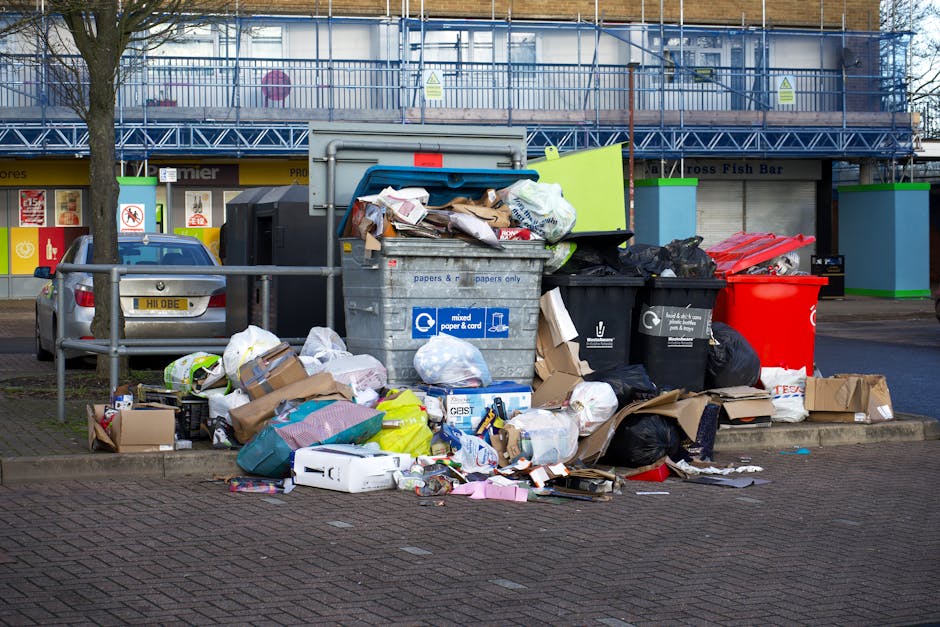
If you live on Stockwell Park Estate, rubbish clearance can feel strangely straightforward one week and a bit of a headache the next. A sofa turns up in the hallway. Bags pile up after a clear-out. The lift is busy, the stairwell is narrow, and suddenly you're wondering what can go where, who should move it, and how to avoid making life awkward for everyone else.
This guide gives you practical Rubbish clearance Stockwell Park Estate tips for residents that are easy to follow in real life, not just on paper. You'll find local-minded advice on planning a collection, sorting items, avoiding common mistakes, staying on the right side of compliance, and choosing the most sensible route for bulky, awkward, or unwanted waste. Let's face it, nobody wants to leave a mattress in the wrong place and hope for the best.
Whether you're clearing a flat, replacing furniture, dealing with a loft full of "I'll sort it later" items, or managing a small property turnover, the aim is the same: get the waste gone efficiently, without stress, without mess, and without causing problems for neighbours.
Why rubbish clearance matters on Stockwell Park Estate
On an estate, waste isn't only a personal issue. It affects shared entrances, bin stores, access routes, and the general feel of the building. One oversize item left in the wrong place can make the whole block look untidy, and in some cases it can create a fire risk or block access for residents, contractors, or emergency services. No one needs that drama on a Tuesday morning.
Good rubbish clearance also matters because estate living tends to have shared pressure points. There may be limited space for storing bulky items, limited parking for vehicles, and more foot traffic than in a detached house. If you plan ahead, you reduce the chance of disputes, missed collections, and last-minute dashes to move things before someone complains.
There is also a social side to it. Residents on estates notice when someone clears away responsibly, especially after a move or refurbishment. That small bit of care goes a long way. If you're also thinking about the wider area and how Stockwell works for day-to-day living, this local perspective pairs well with local advice on whether Stockwell suits your lifestyle and the broader sense of place in this Stockwell guide.
Expert summary: The best rubbish clearance on Stockwell Park Estate is planned, tidy, and considerate. If it's easy to carry, easy to identify, and easy to remove in one go, you'll usually save time and avoid friction.
How rubbish clearance on Stockwell Park Estate usually works
In practical terms, most estate rubbish clearance follows the same broad pattern. You identify what needs to go, separate what can be reused or recycled, decide whether the waste is domestic, bulky, garden, office, or builder-related, and then arrange the most suitable removal method. That sounds simple, but the tricky part is often the detail: what counts as reusable, what needs special handling, and what is too heavy or awkward to shift safely on your own.
For many residents, the process is easiest when it is broken into small decisions. A broken wardrobe is one thing. A mix of flat-pack packaging, an old microwave, and a bag of general waste is another. The more varied the load, the more useful it is to sort in advance. If you have multiple waste types, it may help to look at the wider service options such as waste clearance in Stockwell, domestic waste collection, or, for bigger clear-outs, house clearance support.
Usually, a sensible clearance follows this rhythm:
- Identify the waste type and volume.
- Separate items that can be donated, reused, or recycled.
- Check access, parking, stairs, lift use, and any estate rules.
- Book a suitable collection time.
- Make sure items are ready to move when the crew arrives.
- Confirm where anything hazardous or specialist must go.
That last point matters more than people realise. A lot of clearance headaches come from items being mixed together when they shouldn't be. A fridge, for example, should not be treated like a bag of general rubbish. Same goes for certain electronics, paint, or anything with a leak or residue.
Key benefits and practical advantages
Done well, rubbish clearance is more than just tidying up. It can save you time, free up space, and make the flat feel calmer almost immediately. There's a proper before-and-after feeling when an overfilled room becomes usable again. A spare bedroom stops being a storage cave. The hallway stops feeling tight. The air even feels lighter, oddly enough.
Here are the biggest practical advantages for residents:
- Better use of space: Especially useful in smaller flats where every corner matters.
- Less stress: You avoid the slow, nagging pressure of clutter building up.
- Safer shared areas: Fewer trip hazards, fewer obstructions, fewer complaints.
- Cleaner recycling outcomes: When items are separated properly, more can be handled responsibly.
- Faster property turnarounds: Helpful for moves, lettings, or refurbishment work.
- More considerate living: Your neighbours will notice when waste is handled neatly.
For landlords, homeowners, and anyone involved in property movement, this becomes even more important. A tidy, efficient clearance can improve first impressions and keep a place ready for its next stage. If you're dealing with a move or transaction, the practical side of Stockwell property changes is also covered in this Stockwell real estate article and this guide for local property investors.
Who this is for and when it makes sense
This kind of advice is useful for a lot of people, not just those doing a full flat clear-out. In fact, many residents only need rubbish clearance occasionally, and the job is often smaller than it first looks. But if you leave it too long, a "small job" can turn into a messy half-day. You know how that goes.
This is especially relevant if you are:
- moving in or out of a flat on the estate
- replacing furniture or white goods
- clearing up after decorating work
- sorting a loft, cupboard, or under-bed storage area
- dealing with garden cuttings or outdoor waste where applicable
- helping a relative with a house or flat clearance
- managing a rental property between tenancies
- emptying an office or work space nearby
It also makes sense when items are too bulky for normal household bins, too heavy to carry safely down stairs, or simply too awkward to transport in a standard vehicle. Sofas, bed frames, wardrobes, mattresses, appliance units, and dismantled furniture all tend to be the usual suspects. If you're clearing a larger room or several rooms at once, the furniture-focused pages such as furniture removal and furniture disposal are worth a look.
And yes, even a few bags can justify proper planning if access is awkward. A lift that's busy, a top-floor flat, or a shared corridor with limited waiting space changes the whole equation.
Step-by-step guidance
Here's a practical approach that works well for most residents. Nothing fancy. Just a clean way to avoid mistakes.
1. Walk through the property with a notepad or phone
Start by making a simple list. Don't rely on memory. It lies. Count the big items first, then note bags, loose waste, and anything unusual. If you can take photos, do that too. It helps you see the load clearly and makes it easier to explain the job later.
2. Separate what can be reused, donated, recycled, or binned
Try to divide items into four piles:
- Keep
- Donate or reuse
- Recycle
- Dispose
This is one of the best ways to cut waste and reduce cost. If a chair is still decent, it doesn't need to be treated like rubbish just because you've tired of it. Truth be told, a surprising amount of "waste" is just stuff that has reached the wrong home.
3. Check for anything that needs special handling
White goods, old electronics, paint, batteries, and some construction leftovers need more care than ordinary bags of rubbish. For example, a freezer or washing machine should be handled differently from a dining table. For appliances specifically, the dedicated white goods and appliance disposal page can help if you're working through a kitchen or utility room.
4. Think about access before booking
On Stockwell Park Estate, access can make or break the job. Ask yourself:
- Is there lift access?
- Are there any parking restrictions or tight turning spaces?
- Will items need to be carried through shared hallways?
- Do neighbours need to be notified if the job might be noisy?
That sounds obvious, but people often skip it and then wonder why a simple collection takes longer than expected.
5. Set the waste aside neatly
Stack items safely. Keep walkways clear. Don't lean unstable furniture against walls in a way that could tip over. If bags are involved, tie them securely and keep them in one spot. The cleaner and more organised the pile, the smoother the job.
6. Arrange the right service for the size of the load
Small amounts of rubbish may only need a straightforward collection, while heavier or mixed waste may call for a fuller clearance service. For building-related jobs, use a specialist route such as builders waste disposal. For everyday waste and general loading, rubbish collection in Stockwell is often the practical middle ground.
7. Confirm how payment, insurance, and collection details will work
Before the appointment, it's sensible to understand the booking process, payment method, and whether the operator is properly insured. For peace of mind, many residents also like to check the provider's insurance and safety information and its waste carrier licence and compliance details. That's not fussiness; it's just sensible due diligence.
Expert tips for better results
The difference between a smooth clearance and a frustrating one is usually in the prep. A few small habits save a lot of hassle.
- Measure the bulky items first. A sofa that looks manageable in a room may be awkward on a staircase.
- Take apart items where safe. Flat-pack furniture, bed frames, and shelving often move better once dismantled.
- Put screws and fittings in a labelled bag. If you might reuse the item, this saves time later. If not, it still helps sorting.
- Group waste by type. It makes recycling and loading quicker.
- Avoid last-minute pile changes. A collection planned for three bags becomes a nuisance if it quietly turns into a whole room.
- Keep an eye on weather. A wet morning can make shared corridors and outdoor waiting areas messy fast.
One little trick that helps more than people expect: label items you want to keep before the clearance starts. A roll of tape and a marker pen can prevent the classic "Wait, did that chair go or stay?" moment. It happens.
If you are clearing a loft or storage area, consider doing one section at a time. Loft jobs are notorious for hidden clutter. You think it's just one corner, then suddenly you're staring at old suitcases, broken lamps, and boxes of cables nobody has identified since 2014. For those jobs, loft clearance support can be especially useful.
And if the job is tied to a broader flat refresh or end-of-tenancy reset, waste disposal options in Stockwell may be the best catch-all place to start.

Common mistakes to avoid
Most problems come from rushing. That's the honest truth. People delay the clear-out, then try to do everything in one frantic sweep.
- Leaving items in communal areas. Even "just for a bit" can cause complaints or block access.
- Mixing general rubbish with specialist items. Appliances, sharps, paints, and electricals should be treated properly.
- Not checking access in advance. A collection vehicle can't magically solve a parking issue.
- Underestimating volume. One full cupboard can become a much bigger pile once emptied.
- Forgetting to protect shared surfaces. Scraped walls and marked flooring are annoying and avoidable.
- Trying to carry too much at once. It is not worth the strained back. Seriously, not worth it.
Another common mistake is assuming all waste should be handled the same way. It shouldn't. A set of drawers, a garden bag, and a broken appliance are not identical jobs, even if they all end up on the same floor. If you're planning a garden reset, the dedicated garden waste removal service may suit that better than a general clearance.
Tools, resources and recommendations
You don't need a van-load of equipment to organise a clearance properly. A few basic tools do most of the work.
- Heavy-duty bin bags for smaller loose waste
- Marker pen and tape for labelling keep/dispose piles
- Measuring tape for bulky furniture and access checks
- Gloves for handling dusty, sharp, or awkward items
- Phone camera to document the load before collection
- Flat-pack screwdriver or small tool kit for disassembly where safe
For residents looking into service details, a few site pages can be helpful for background and reassurance, including services overview, pricing and quotes, and payment and security. If you value clarity before booking, those are the pages to read first.
For an ethical and environmentally minded approach, the recycling and sustainability information is worth checking too. It helps you think beyond "get rid of it" and toward "handle it properly". That's the sort of habit that matters in a busy city.
Law, compliance and best practice
Rubbish clearance on an estate is not just about convenience. It sits within a wider framework of care, safety, and legal responsibility. While this article doesn't replace legal advice, a few UK best practices are worth keeping in mind.
First, use only a properly authorised waste carrier. In practical terms, that means checking the provider can show they are compliant and that waste is being handled responsibly. If waste is passed to the wrong person, the original owner can still end up in a difficult position. That is why the licence and compliance information matters so much.
Second, do not leave items where they may obstruct communal access. Shared corridors, stairwells, fire exits, and bin stores need to stay usable. Best practice is simple: keep anything awaiting collection out of the way, and only place it there for the shortest sensible time.
Third, sort hazardous or specialist waste carefully. Some items need separate disposal routes, and some should never be mixed with ordinary household rubbish. If you're unsure, ask before the job begins rather than guessing on the day.
Fourth, be mindful of privacy. Old paperwork, letters, and personal documents should be shredded or securely destroyed before disposal. It's a tiny task that saves a lot of regret. No one wants last month's bank letters floating around in a black bag.
Finally, if you're arranging clearance as part of a move, tenancy change, or renovation, timing matters. The smoother the handover, the less likely you are to create delays or tension. For a wider view of related property moves, the linked articles on real estate transactions in Stockwell and property investment in Stockwell may also be useful.
Options and comparison table
Residents usually choose between a few common clearance methods. The right one depends on volume, urgency, access, and what you're clearing. Here's a simple comparison to help.
| Option | Best for | Advantages | Watch-outs |
|---|---|---|---|
| Self-clearance | Very small loads or light items | Can be cheap if you already have transport | Time-consuming, awkward, and risky for bulky waste |
| Standard rubbish collection | Mixed household waste and medium jobs | Convenient and usually quicker than doing it yourself | Access and timing need to be planned well |
| Furniture-specific removal | Sofas, tables, wardrobes, mattresses | Good for bulky items and room-by-room clear-outs | May not cover all waste types in one go |
| House or loft clearance | Larger, whole-property, or storage-heavy jobs | Efficient for bigger clear-outs and estate turnover | Needs more preparation and clearer sorting |
| Specialist disposal | Appliances, builders waste, or tricky items | Better handling for specific materials | Must be booked correctly to avoid delays |
There is no single "best" answer for everyone. A resident clearing one chair and a few bags has very different needs from someone emptying an entire flat after a move. If you're unsure where your job sits, starting with a broad service and narrowing from there is often the least stressful approach.
Case study or real-world example
Here's a realistic example from the kind of job residents recognise straight away.
A tenant in a Stockwell Park Estate flat was preparing to move out at the end of the month. Over time, the flat had collected a broken office chair, a disassembled bookcase, a mattress, three bags of mixed clutter, and an old microwave that had been shoved to the back of the kitchen. Nothing dramatic. Just the usual slow build-up of things you stop seeing after a while.
Instead of waiting until the final day, the resident walked through the flat two weeks early and made a simple list. Items were grouped by room. The mattress and chair were set aside as bulky waste. The microwave and old cables were separated from general bags. A few reusable bits were boxed for donation. Access was checked, and the collection window was chosen for a quieter part of the day when lift use was usually lower.
The result? No corridor clutter, no frantic last-minute lifting, and no awkward apologising to neighbours. The job stayed small because it was treated like a small job. That is usually the trick.
As a bonus, the resident discovered a little more space for cleaning and photographing the flat before handover. That can make a surprising difference when you're trying to leave on good terms and keep the whole process calm.
Practical checklist
Use this checklist before any clearance on Stockwell Park Estate. It keeps things tidy and prevents the classic "I forgot about that" moment.
- List every item that needs to go
- Separate keep, donate, recycle, and dispose piles
- Identify bulky, electrical, or specialist items
- Check lift access, stair access, and parking constraints
- Confirm whether anything needs to be dismantled
- Keep shared corridors and exits clear
- Bag loose rubbish securely
- Protect floors and walls where items will be moved
- Check compliance and waste carrier details
- Review pricing, payment, and booking information
- Set a collection time that works for the building
- Make sure all items are ready before the crew arrives
If you are handling a bigger property change or working through several rooms, you may also want to keep an eye on broader clearance services such as office clearance if your load is work-related, or furniture removal if the job is mostly large household pieces.
Conclusion
Rubbish clearance on Stockwell Park Estate does not need to be complicated. If you sort early, check access, separate the awkward items, and choose the right service for the job, the whole process becomes much easier. Small habits make the difference. A label here, a quick measure there, a sensible booking window, and suddenly it all feels manageable rather than overwhelming.
Most residents are not trying to do anything fancy. They just want a clean flat, clear communal spaces, and a hassle-free way to move on with the rest of the day. Fair enough, really. That's a reasonable ask.
Get a free quote today and see how much you can save.
And if you only take one thing from this guide, let it be this: a calm, organised clearance is almost always a cheaper, safer, and kinder one. That's true on Stockwell Park Estate, and it's true pretty much anywhere else too.


 Tipper Van - Waste Disposal and Rubbish Removal Prices in Stockwell, SW8
 Luton Van - Waste Disposal and Rubbish Removal Prices in Stockwell, SW8